Why do you forget things when you walk through a door?
A 2011 University of Notre Dame study found memory drops after people move from one room to another. What it found, what it didn't, and one habit to try.
By NeuroPulse
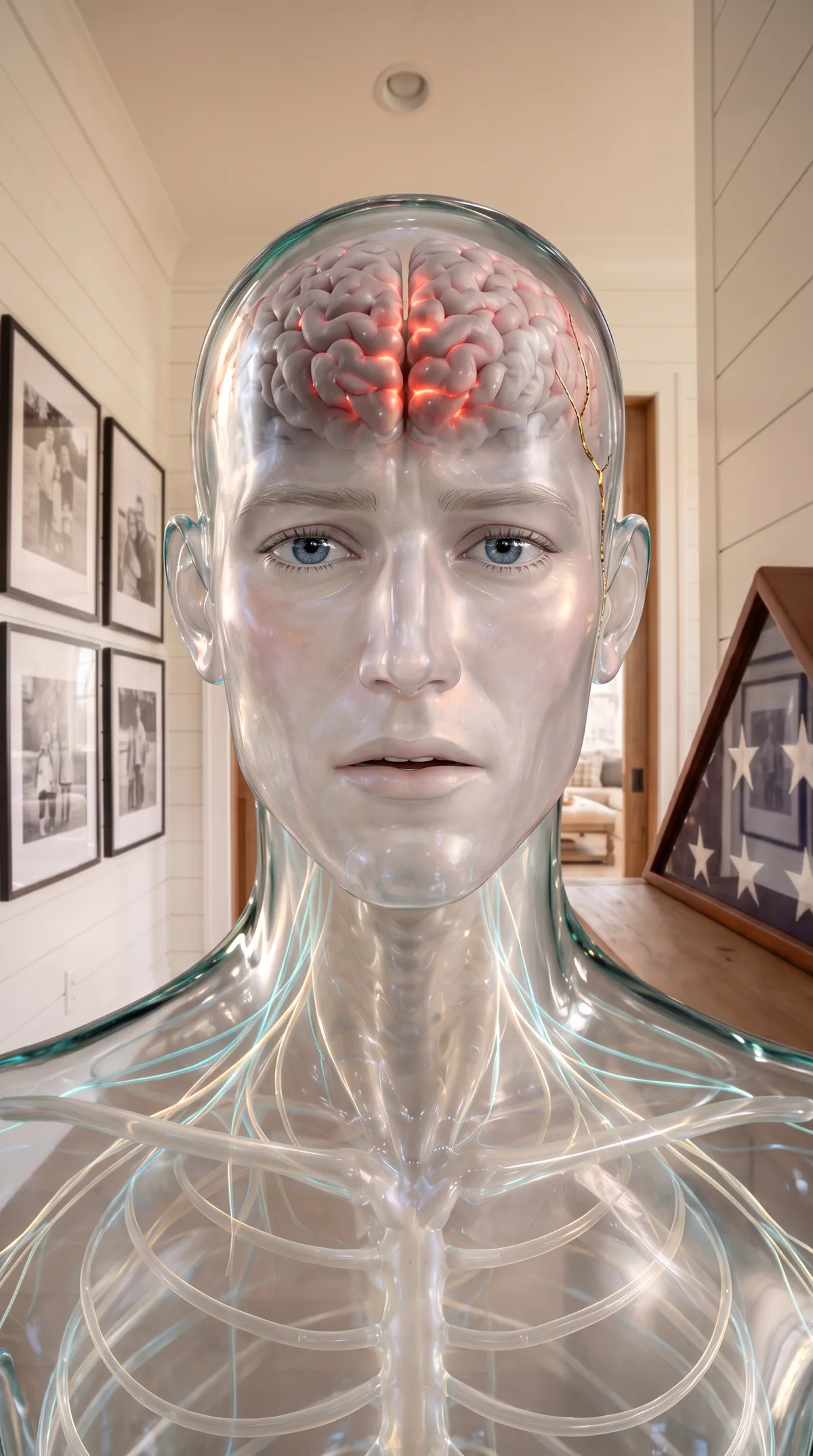
You’re on the couch, sure you need something from the kitchen. You walk in, stop next to the mug on the counter, and the thought is gone.
You stand there, a little annoyed. Then you sit back down and it comes back. Batteries. It has a name: the doorway effect.
Why do you forget what you came for?
Most people blame a tired brain or a bad memory. Usually it’s neither. Your memory was doing something fairly normal, and you happened to notice.
The short version: a doorway may tell your memory that one scene of your day ended and another one began.
What happens in your memory at a doorway?
Your memory doesn’t record your day as one long video. It splits it into scenes, or “events.” The living room is one scene and the kitchen is another.
When you step through a doorway, the old scene gets filed away and a new one opens. The plan you made in the first room, “grab the batteries,” is still in there. It’s just harder to reach from the new scene. The researchers call this idea the “event horizon model.”

What did the study find?
Gabriel Radvansky and his team at the University of Notre Dame had volunteers move through a series of rooms while handling objects, then tested what they remembered about them (Radvansky et al., Quarterly Journal of Experimental Psychology, 2011). Earlier work had used rooms on a computer screen. This time, one experiment used smaller screens and another used real rooms.
Memory dropped after people moved to a new room, both on screen and in real life. Then came the surprise. In a third experiment, people walked back to the room where they had first seen the objects. Their memory did not get better.
What this study can’t tell us
These were lab tasks with objects, not your real errands. The study tested memory, not the brain, so it can’t say which brain areas are involved. And it can’t tell us whether any habit prevents the effect.
What can you try today?
Going back to the first room is the classic tip, and this study found it didn’t help. So try making the plan easier to carry instead.
- Pause at the door. One breath before you step through, especially when you’re tired or carrying something.
- Say the goal in a few words. “Batteries, kitchen drawer.” Out loud or under your breath.
- Keep a cue in your hand. If you’re fetching batteries for the remote, carry the remote.

The last two steps are our suggestions, not something this study tested. If you forget anyway, that’s normal.
Who should be careful?
Blanking at a doorway is common. It isn’t the same as new or worsening memory trouble. If you’re losing your way in familiar places, repeating questions or getting confused, talk with a doctor.
Where to go from here
Read next: why naming a feeling can calm your brain, or whether a phone on your desk costs you focus.
Take our quick brain assessment to find which brain switch is off for you.
FAQ
Why do I forget what I was doing when I walk into another room?
Your memory stores your day in scenes, and a doorway can mark the start of a new one. In the study above, memory dropped after people moved from one room to another.
Is the doorway effect a sign of a memory problem?
Usually not. If forgetting is new, getting worse, or comes with confusion, talk with a doctor.
Does going back to the first room help?
In this study, returning to the original room did not improve memory. Saying your goal before you leave may be a better bet, though it wasn’t tested here.
Educational content, not medical advice.