Can 10 easy minutes on a bike help you tell look-alike facts apart?
In a 2018 PNAS study, 36 young adults pedaled 10 very easy minutes and were then better at telling near-identical pictures apart. Here's how to try it before you study.
By NeuroPulse
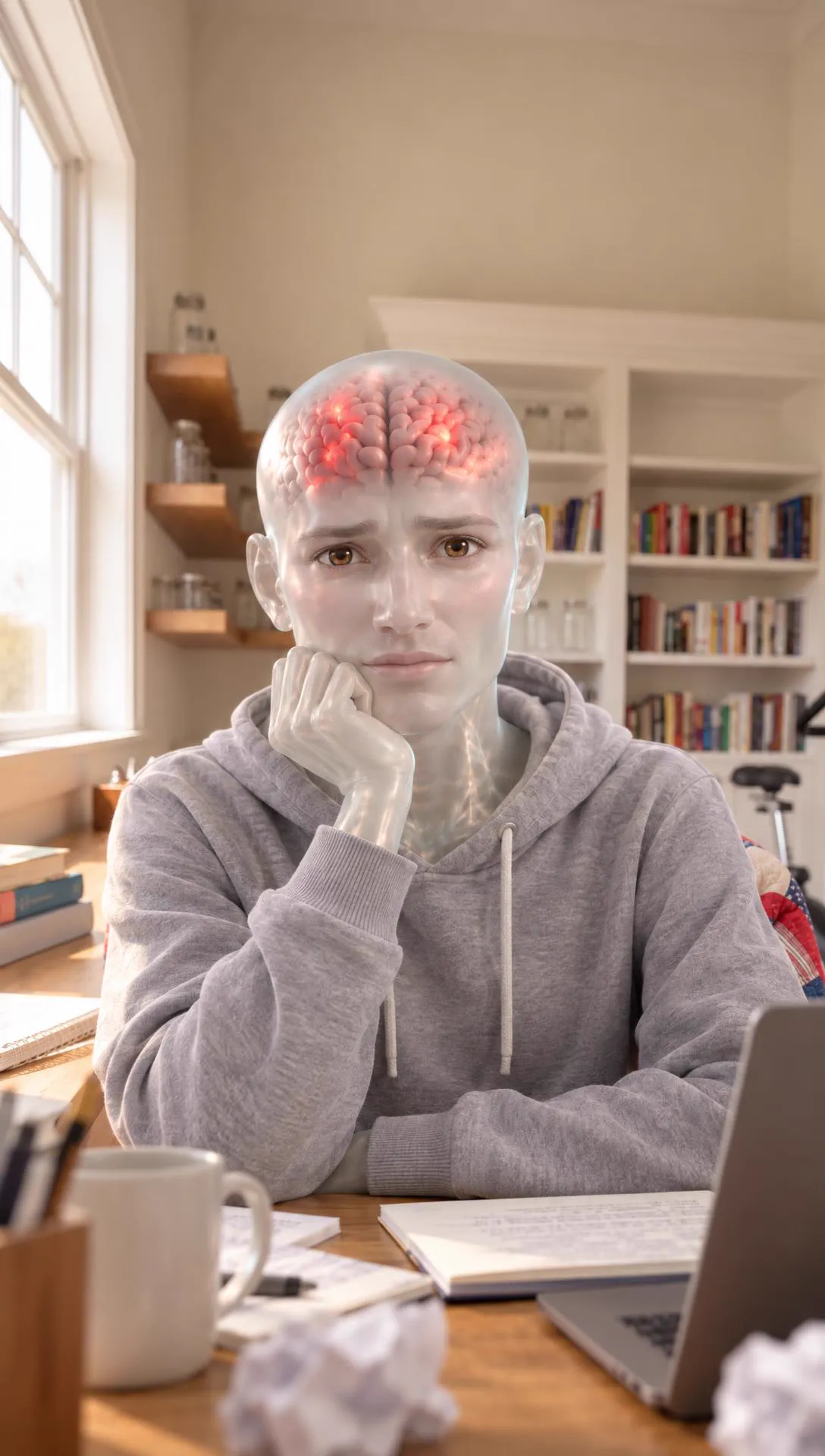
It’s the night before the test. A cold mug of tea sits by your flashcards, and two terms that sound almost the same have melted into one. You read both definitions three times. Still can’t say which is which.
There’s a small habit worth knowing about here, and it starts on a bike, not at the desk.
Why do look-alike facts blur together?
Most exams don’t just ask whether you know a fact. They ask whether you can keep it apart from its twin. Two similar drugs. Two dates a year apart. Two laws with nearly the same name.
When you’re tired, those near-matches smear together. You know you’ve seen the answer. You just can’t tell which one it belongs to.
What does your hippocampus do with similar memories?
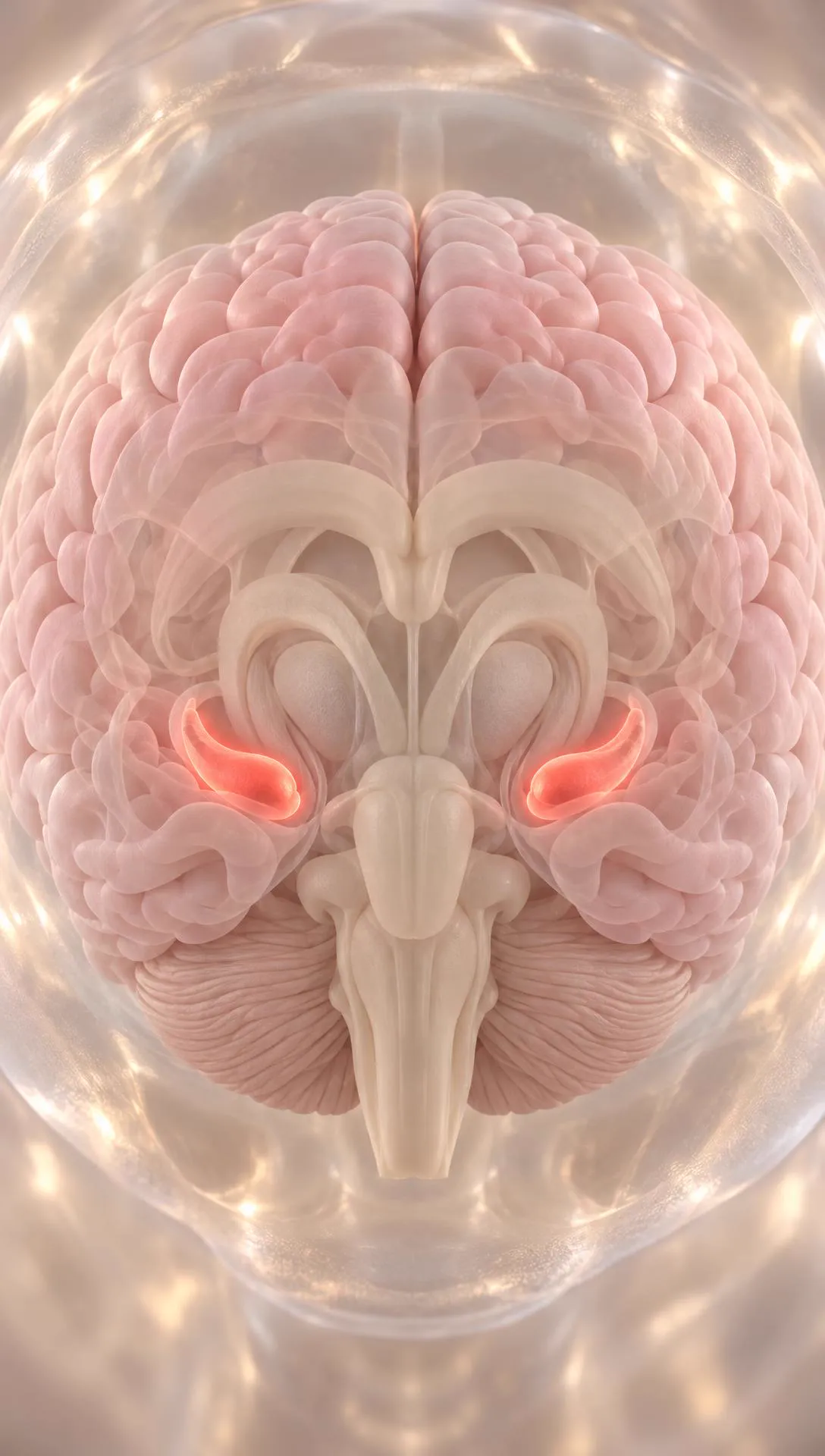
The hippocampus is a seahorse-shaped area deep in your brain that helps you form new memories. One of its jobs is to stop similar memories from running together.
Picture two folders that look almost the same. The hippocampus helps put a clear label on each one, so you pull out the right folder later. Scientists call this “pattern separation.”
What did the study find?
Researchers at the University of Tsukuba in Japan and UC Irvine tested 36 healthy young adults (Suwabe et al., PNAS, 2018). On one day, each person pedaled a recumbent exercise bike for 10 minutes at a very light effort, about 30% of their peak. On another day, they sat on the same bike for 10 minutes without pedaling.
Right after, they did a memory task with pictures of everyday objects, some of them near-identical. After the easy ride, people were better at telling the look-alikes apart. In a second group of 16 who did the task in a brain scanner, the same thing happened, and the scans showed stronger links between the part of the hippocampus that handles this and nearby areas of the cortex. People with a bigger change in those links also improved more on the task.
What this study can’t tell us
This was a picture task in a lab, not a real exam. We don’t know whether it carries over to biology terms or case law, or how long the effect lasts after the ride. The group was small and young, so it may not hold the same way at other ages.
How to try it before you study
Keep it boring on purpose. Harder isn’t the goal.
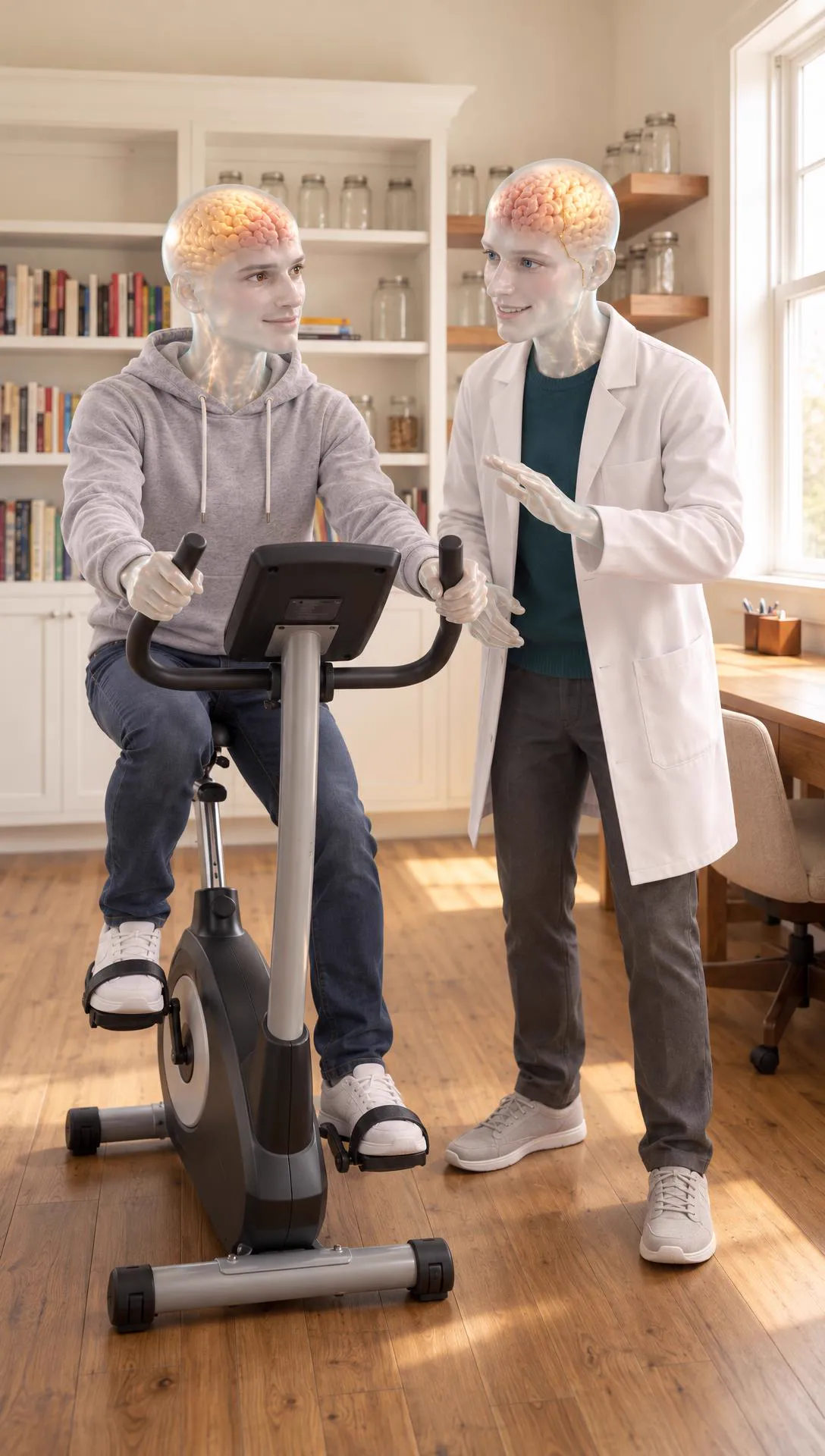
- Get on a bike. A stationary bike or a quiet street. Pedal at a pace where you could chat.
- Set a timer for 10 minutes. Stay easy the whole time. If you’re out of breath, slow down.
- Sit down to study right after. Start with the pairs that keep blurring together.
Read next: whether a phone on your desk costs you focus.
Who should be careful?
Easy cycling is gentle for most people. If you have a heart condition, are pregnant, or have been told to limit exercise, check with your doctor first. Stop if you feel dizzy or unwell.
Where to go from here
Take our quick brain assessment to find which brain switch is off for you. Read next: why your e-book may delay sleep.
FAQ
Does light exercise before studying help memory?
In the study above, 10 very easy minutes on a bike left young adults better at telling similar pictures apart right after. It was a picture task, not an exam, so it can’t promise a better grade.
How hard should I pedal?
Very easy. The study used about 30% of each person’s peak effort, a pace where you can still talk.
How long does the boost last?
We don’t know. The study tested memory right after the ride, so pedal shortly before you study, not the day before.
Educational content, not medical advice.