Does giving a little switch on your brain's reward system?
In a 2006 NIH brain-scan study, 19 adults gave real money to charities they chose, and the brain's reward system responded as it did when they got money.
By NeuroPulse

It’s 9:40 pm. The tea on the counter went cold an hour ago, and you’re on the couch with a cart full of things you didn’t plan to buy. One more scroll. One more tab.
The pull is real, and it comes from a part of your brain that is very good at its job. One brain-scan study found that this same part also responds when you give something away.
Why does one more never feel like enough?
You buy the thing, and the wanting moves on to the next thing. You finish one video, and your thumb is already moving.
That isn’t a character flaw. Your brain has a reward system built to push you toward things that feel good. A cart, a feed or a snack drawer can all tap into it fast.
What happens in your brain when you give?
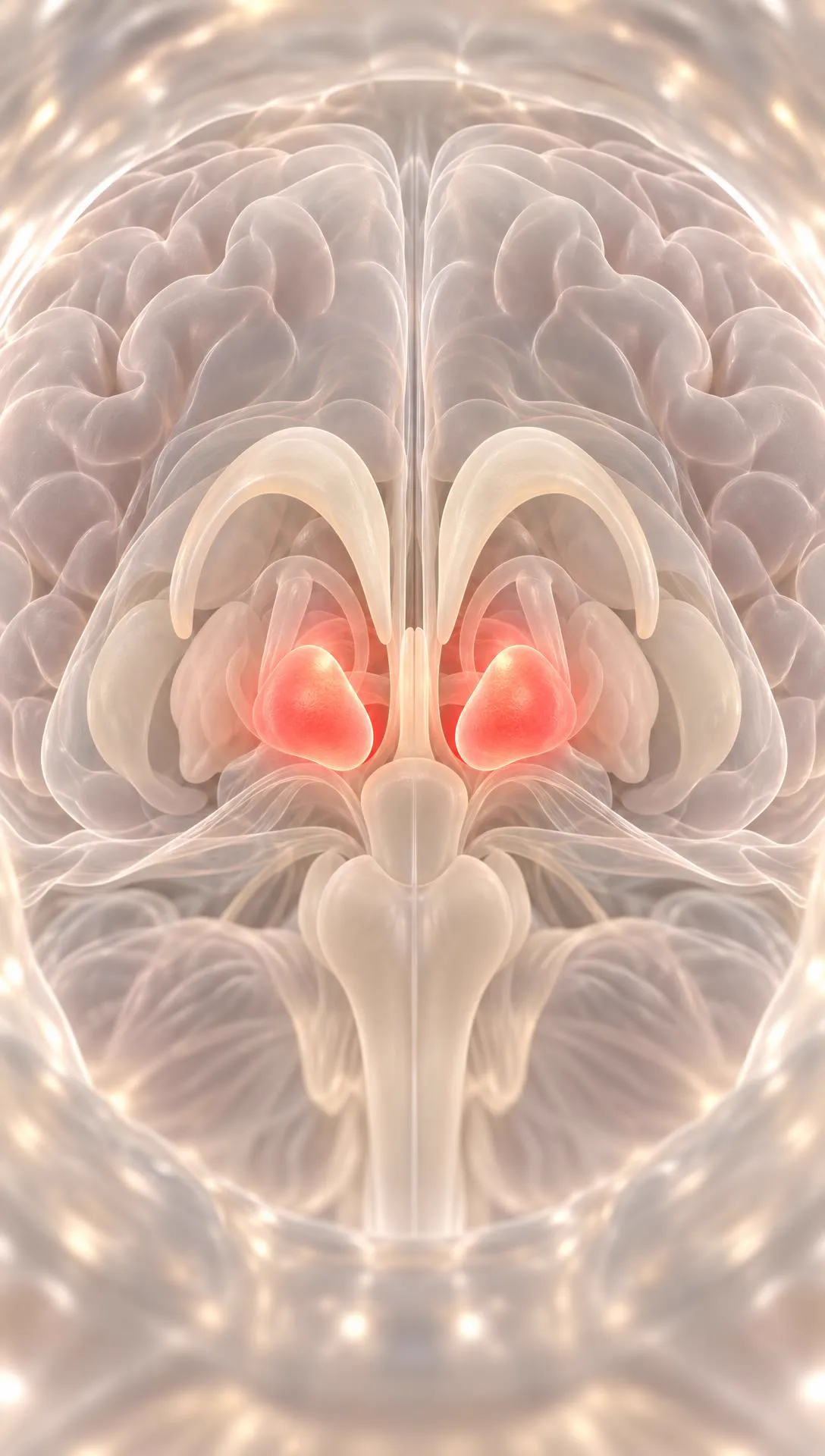
Think of the reward system as a hallway with motion-sensor lights. Walk toward something that matters to you, and the lights come on.
Two spots in that hallway are the ventral tegmental area, deep in the midbrain, and the striatum. Both respond when you get something good, like money.
What did the study find?
At the National Institutes of Health, 19 healthy adults lay in an fMRI scanner and made real decisions about real charities, causes such as children’s rights (Moll et al., PNAS, 2006). Each person started with an amount of money they could keep. Some choices let them donate at no cost to themselves, and others made them give up part of their own money to give.
When people chose to donate, the ventral tegmental area and the striatum became active, the same areas that lit up when they simply received money. A second area, linked to social bonding, responded to giving in particular.
What this study can’t tell us
This was a small brain-scan study. It didn’t look at cravings, shopping or scrolling, so it can’t tell us whether giving a little cuts down on wanting more in daily life. It shows that the reward system responds to giving, not that giving replaces anything.
How to try it the next time the pull hits
- Notice the pull. Before the next purchase or scroll, pause and name it: “I’m craving something.”
- Pick a cause you care about. A local food bank, an animal shelter, a school fund. The people in the study chose their own causes.
- Give an amount that feels easy. Something you won’t think about again at the end of the month. Then close the tab and notice how you feel for a minute.
You’re not trying to be a saint. You’re testing whether a small, chosen gift feels different from another purchase.
Who should be careful?
If money is tight, give time or a kind word instead. Your budget comes first. If cravings feel out of your control, such as with gambling, compulsive shopping or substance use, a small gift isn’t enough on its own. Please talk with a licensed professional.
Where to go from here
Read next: why naming a feeling can calm your brain, or why your e-book may delay sleep.
Take our quick brain assessment to find which brain switch is off for you.
FAQ
Does giving to charity activate the brain’s reward system?
In the study above, deciding to donate activated the same reward areas as receiving money. It was a small scanner study, so it’s a first look, not the final word.
How much should I give?
The study doesn’t give a number to aim for. Give an amount that feels easy, to a cause you picked yourself.
Can giving help with cravings like shopping or scrolling?
We don’t know. The study looked at brain activity during giving, not at cravings in daily life. It’s a low-risk thing to try, not a treatment.
Educational content, not medical advice.